Foram encontradas 70 questões.
Sejam p e q as duas maiores raízes do polinômio \( P (\times) \, = \, \times^4 \, - \, 17 \, \times^3 \, + 98\times^2 \, - \, 220\times \, + \, 168. \)
Sabendo que p > q e que 2 é uma raiz dupla desse polinômio, a diferença p - q é igual a
Provas

No espaço, as medidas a, b e c, em centímetros, são as dimensões de um paralelepípedo reto-retângulo, com a = 7 cm e c – b = 2 cm.
Sendo 868 cm2 a área total desse paralelepípedo, a soma b + c é igual a
Provas
No plano, os pontos E, F e G estão sobre os lados de um retângulo ABCD, tais que o segmento EF é perpendicular ao lado AB e o segmento BG intersecta o segmento EF no ponto H, conforme mostra a figura.
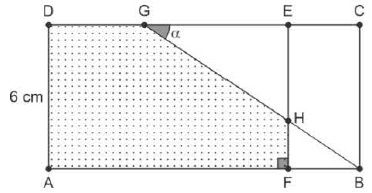
Sendo que o segmento DG mede 1 cm a mais do que o segmento CE, que e área do trapézio BCEH é 15 cm2 e que tg \( \alpha \, = \, \dfrac {2} {3}, \) a área do pentágono ADGHF é
Provas
Em uma biblioteca, a razão entre o número de livros de física e o número de livros de matemática é igual a \( \dfrac {3} {4}. \) Nesta semana, a biblioteca receberá uma remessa de 200 livros, sendo 54 de física e os demais de matemática, o que fará com que a razão indicada passe a ser igual a \( \dfrac {3} {5}. \)
Após receber a encomenda, o total de livros dessas duas disciplinas na biblioteca será igual a
Provas
Can AI Reduce Burnout or Make It Worse? Understanding the Balance
By Leonardo Capita
1/16/2025
AI burnout: a new challenge
AI burnout is the stress and fatigue employees face as they adapt to new technologies. While AI improves efficiency, its rapid adoption creates pressure – especially in fields like healthcare, where professionals must integrate AI into diagnostics and patient care alongside existing demands. Nurses and doctors may need to oversee AI outputs, adding a layer of responsibility and complexity to their already demanding roles.
Technology as support
AI can also help combat burnout. Wellness apps monitor stress, suggest coping strategies, and connect users to resources. Tools like Woebot offer emotional support, while productivity apps such as Notion and RescueTime help manage tasks and encourage breaks.
Reducing stress at work
Successful AI integration requires realistic expectations and gradual adoption. Clear communication about AI’s role prevents frustration, while phased implementation allows employees to adjust. Viewing AI as a teammate rather than a replacement helps reduce anxiety and fosters healthier workplaces.
Segundo o texto,
Provas
Para responder à questão, baseia-se no texto a seguir.
Measles Is Now Showing Up in Wastewater
By Alice Park
Jun 3, 2025
Measles cases in the U.S. have been rare in recent decades, thanks to a strong childhood vaccination program. But a few cases inevitably pop up each year as travelers bring the virus in from other countries and infect unvaccinated people, primarily children.
Those cases are no longer blips. Now that the measles vaccination rate is dropping precipitously across the U.S. – due in part to anti-vaccine sentiments – cases are rising. So far in 2025, 14 outbreaks have been reported in 33 states, according to the U.S. Centers for Disease Control and Prevention (CDC). (By comparison, in 2024, there were just 16 outbreaks reported during the entire year.)
Scientists may now have a new way to catch cases. For the first time, researchers have posted national information on where the measles virus is showing up in wastewater.
Wastewater surveillance is a useful public-health tool because it provides an objective glimpse into where a given virus is causing infections – often before traditional testing methods. For viruses like measles, which infected people shed in urine, feces, or saliva, it can provide a critical heads-up for health officials.
Why wastewater monitoring may be especially useful for measles
Doctors who see patients with measles must report the case to the CDC so the agency can track it and respond to any outbreaks. But it takes time for people to develop symptoms, seek medical care, get tested, and then have their case reported if the test is positive. In addition, the first symptoms of measles are common ones like fever, runny nose, and cough – before the telltale rash appears. Plus, not everyone may get sick enough to know they have measles, so their cases may go unreported. Still others may get sick but not have access to health care and therefore never seek medical help.
Wastewater monitoring bypasses those hurdles and can theoretically catch evidence of the virus much earlier. That could be especially helpful with a highly contagious disease like measles, in which one infected person can quickly spread the virus to as many as 18 others.
This type of tracking for measles is too new to know yet whether it can detect cases in a region before people start testing positive. But wastewater surveillance was able to pick up signs of the Covid-19 virus days or sometimes even weeks before cases began appearing in hospitals and testing labs.
Segundo o texto,
Provas
Para responder à questão, baseia-se no texto a seguir.
Measles Is Now Showing Up in Wastewater
By Alice Park
Jun 3, 2025
Measles cases in the U.S. have been rare in recent decades, thanks to a strong childhood vaccination program. But a few cases inevitably pop up each year as travelers bring the virus in from other countries and infect unvaccinated people, primarily children.
Those cases are no longer blips. Now that the measles vaccination rate is dropping precipitously across the U.S. – due in part to anti-vaccine sentiments – cases are rising. So far in 2025, 14 outbreaks have been reported in 33 states, according to the U.S. Centers for Disease Control and Prevention (CDC). (By comparison, in 2024, there were just 16 outbreaks reported during the entire year.)
Scientists may now have a new way to catch cases. For the first time, researchers have posted national information on where the measles virus is showing up in wastewater.
Wastewater surveillance is a useful public-health tool because it provides an objective glimpse into where a given virus is causing infections – often before traditional testing methods. For viruses like measles, which infected people shed in urine, feces, or saliva,
Why wastewater monitoring may be especially useful for measles
Doctors who see patients with measles must report the case to the CDC so the agency can track it and respond to any outbreaks. But it takes time for people to develop symptoms, seek medical care, get tested, and then have their case reported if the test is positive. In addition, the first symptoms of measles are common ones like fever, runny nose, and cough – before the telltale rash appears. Plus, not everyone may get sick enough to know they have measles, so their cases may go unreported. Still others may get sick but not have access to health care and therefore never seek medical help.
Wastewater monitoring bypasses those hurdles and can theoretically catch evidence of the virus much earlier. That could be especially helpful with a highly contagious disease like measles, in which one infected person can quickly spread the virus to as many as 18 others.
This type of tracking for measles is too new to know yet whether it can detect cases in a region before people start testing positive. But wastewater surveillance was able to pick up signs of the Covid-19 virus days or sometimes even weeks before cases began appearing in hospitals and testing labs.
O pronome it em it can provide a critical heads-up for health officials refere-se a
Provas
Para responder à questão, baseia-se no texto a seguir.
Measles Is Now Showing Up in Wastewater
By Alice Park
Jun 3, 2025
Measles cases in the U.S. have been rare in recent decades, thanks to a strong childhood vaccination program. But a few cases inevitably pop up each year as travelers bring the virus in from other countries and infect unvaccinated people, primarily children.
Those cases are no longer blips. Now that the measles vaccination rate is dropping precipitously across the U.S. – due in part to anti-vaccine sentiments – cases are rising. So far in 2025, 14 outbreaks have been reported in 33 states, according to the U.S. Centers for Disease Control and Prevention (CDC). (By comparison, in 2024, there were just 16 outbreaks reported during the entire year.)
Scientists may now have a new way to catch cases. For the first time, researchers have posted national information on where the measles virus is showing up in wastewater.
Wastewater surveillance is a useful public-health tool because it provides an objective glimpse into where a given virus is causing infections – often before traditional testing methods. For viruses like measles, which infected people shed in urine, feces, or saliva, it can provide a critical heads-up for health officials.
Why wastewater monitoring may be especially useful for measles
Doctors who see patients with measles must report the case to the CDC so the agency can track it and respond to any outbreaks. But it takes time for people to develop symptoms, seek medical care, get tested, and then have their case reported if the test is positive. In addition, the first symptoms of measles are common ones like fever, runny nose, and cough – before the telltale rash appears. Plus, not everyone may get sick enough to know they have measles, so their cases may go unreported. Still others may get sick but not have access to health care and therefore never seek medical help.
Wastewater monitoring bypasses those hurdles and can theoretically catch evidence of the virus much earlier. That could be especially helpful with a highly contagious disease like measles, in which one infected person can quickly spread the virus to as many as 18 others.
This type of tracking for measles is too new to know yet whether it can detect cases in a region before people start testing positive. But wastewater surveillance was able to pick up signs of the Covid-19 virus days or sometimes even weeks before cases began appearing in hospitals and testing labs.
De acordo com o texto,
Provas
Para responder à questão, baseia-se no texto a seguir.
The lingering threat of long-haul Covid
By Henry I. Miller
August 5, 2025
Covid-19 hasn’t gone away, and neither has its long shadow.
Surviving a severe case of Covid may put you in the same cardiovascular danger zone as someone with a long history of heart trouble.
Recent data from the California Department of Public Health show that the virus is surging again. Yet, even as case numbers rise, much of the public — and some policymakers — continue to minimize the virus’s effect, dismissing it as “just a cold.” But Covid is often far more than a mild, short-lived illness. One of its most serious and poorly understood consequences is long Covid, a complex syndrome that can affect multiple organs and persist long after the initial infection.
First identified by patients, long Covid refers to a broad constellation of symptoms that linger for weeks or months after the virus clears. These can affect virtually every system in the body, but especially the cardiovascular and nervous systems.
Heart disease has long been the leading cause of death in the United States, but Covid appears to be adding a new layer of risk — even for people without traditional risk factors.
A study from academic researchers, drawing on data from Britain, tracked more than 250,000 individuals who tested positive for Covid in 2020. Even three years later, those infected faced double the risk of heart attacks, strokes, and cardiovascular death compared to those who never tested positive, and this elevated risk did not diminish with time.
Worse still, individuals who had severe Covid requiring hospitalization were found to have a four- to seven-fold increase in their risk of serious cardiovascular events. That level of risk rivals that of people with coronary artery disease. In other words, surviving a severe case of Covid may put you in the same cardiovascular danger zone as someone with a long history of heart trouble.
The neurological effects of long Covid are no less troubling. Patients commonly report “brain fog,” memory lapses, difficulties concentrating, sensory hypersensitivities and extreme fatigue. Others develop more serious issues like dysautonomia — a disorder of the autonomic nervous system — or peripheral neuropathy.
Long Covid is unpredictable, but certain patterns are emerging. Women appear to be disproportionately affected, and people with pre-existing conditions or particular genetic markers may be more susceptible. Importantly, vaccination reduces — but does not eliminate — the risk of developing long Covid, primarily by preventing severe disease. However, some cases arise after mild or even asymptomatic infections.
Despite the millions affected, long Covid still lacks effective treatments. Clinical trials are under way, but the variability of symptoms and absence of clear diagnostic markers make it difficult to match patients with the right therapies. Tailored approaches that consider individual immune responses and organ-specific symptoms will likely be necessary.
In the meantime, patients often face a frustrating gauntlet of medical skepticism, inconsistent care, and social isolation. The National Academies report underscores the need for a compassionate, inclusive approach that takes patient experiences seriously, even in the absence of definitive lab tests.
Long Covid is not just a lingering after-effect; it is a scientific frontier. It exposes the limitations of our current medical model, which is often focused on acute illness rather than long-term, systemic dysfunction.
Researchers and clinicians must seize this moment to examine closely post-viral conditions and the broader links among infection, inflammation and chronic disease.
Segundo o estudo relatado,
Provas
Para responder à questão, baseia-se no texto a seguir.
The lingering threat of long-haul Covid
By Henry I. Miller
August 5, 2025
Covid-19 hasn’t gone away, and neither has its long shadow.
Surviving a severe case of Covid may put you in the same cardiovascular danger zone as someone with a long history of heart trouble.
Recent data from the California Department of Public Health show that the virus is surging again. Yet, even as case numbers rise, much of the public — and some policymakers — continue to minimize the virus’s effect, dismissing it as “just a cold.” But Covid is often far more than a mild, short-lived illness. One of its most serious and poorly understood consequences is long Covid, a complex syndrome that can affect multiple organs and persist long after the initial infection.
First identified by patients, long Covid refers to a broad constellation of symptoms that linger for weeks or months after the virus clears. These can affect virtually every system in the body, but especially the cardiovascular and nervous systems.
Heart disease has long been the leading cause of death in the United States, but Covid appears to be adding a new layer of risk — even for people without traditional risk factors.
A study from academic researchers, drawing on data from Britain, tracked more than 250,000 individuals who tested positive for Covid in 2020. Even three years later, those infected faced double the risk of heart attacks, strokes, and cardiovascular death compared to those who never tested positive, and this elevated risk did not diminish with time.
Worse still, individuals who had severe Covid requiring hospitalization were found to have a four- to seven-fold increase in their risk of serious cardiovascular events. That level of risk rivals that of people with coronary artery disease. In other words, surviving a severe case of Covid may put you in the same cardiovascular danger zone as someone with a long history of heart trouble.
The neurological effects of long Covid are no less troubling. Patients commonly report “brain fog,” memory lapses, difficulties concentrating, sensory hypersensitivities and extreme fatigue. Others develop more serious issues like dysautonomia — a disorder of the autonomic nervous system — or peripheral neuropathy.
Long Covid is unpredictable, but certain patterns are emerging. Women appear to be disproportionately affected, and people with pre-existing conditions or particular genetic markers may be more susceptible. Importantly, vaccination reduces — but does not eliminate — the risk of developing long Covid, primarily by preventing severe disease. However, some cases arise after mild or even asymptomatic infections.
Despite the millions affected, long Covid still lacks effective treatments. Clinical trials are under way, but the variability of symptoms and absence of clear diagnostic markers make it difficult to match patients with the right therapies. Tailored approaches that consider individual immune responses and organ-specific symptoms will likely be necessary.
In the meantime, patients often face a frustrating gauntlet of medical skepticism, inconsistent care, and social isolation. The National Academies report underscores the need for a compassionate, inclusive approach that takes patient experiences seriously, even in the absence of definitive lab tests.
Long Covid is not just a lingering after-effect; it is a scientific frontier. It exposes the limitations of our current medical model, which is often focused on acute illness rather than long-term, systemic dysfunction.
Researchers and clinicians must seize this moment to examine closely post-viral conditions and the broader links among infection, inflammation and chronic disease.
Segundo o texto,
Provas
Caderno Container