Foram encontradas 50 questões.
Leia o texto para responder à questão.
A Primeira Guerra Mundial [...] assinalou o colapso da civilização (ocidental) do século XIX. [...]
Na década de 1980 e início da de 1990 [...] os países socialistas, agora com suas economias desabando, vulneráveis, foram impelidos a realizar rupturas igualmente — ou até mais — radicais com seu passado e, como sabemos, rumaram para o colapso. Esse colapso pode assinalar o fim do Breve Século XX, como a Primeira Guerra pode assinalar o seu início.
(Eric J. Hobsbawm. Era dos extremos: o breve século XX. 1914-1991, 2006.)
O segundo colapso citado no texto, ocorrido entre a década de 1980 e o início da década de 1990, representa
Provas

Leia o texto para responder à questão.
A Primeira Guerra Mundial [...] assinalou o colapso da civilização (ocidental) do século XIX. [...]
Na década de 1980 e início da de 1990 [...] os países socialistas, agora com suas economias desabando, vulneráveis, foram impelidos a realizar rupturas igualmente — ou até mais — radicais com seu passado e, como sabemos, rumaram para o colapso. Esse colapso pode assinalar o fim do Breve Século XX, como a Primeira Guerra pode assinalar o seu início.
(Eric J. Hobsbawm. Era dos extremos: o breve século XX. 1914-1991, 2006.)
A “civilização ocidental” mencionada no texto teve como características
Provas
O movimento abolicionista, no Brasil Império,
Provas
A “febre do ouro” fez com que a região centro-sul da América se tornasse extremamente populosa. A vontade de enriquecer do dia para a noite era tão grande, que as vilas e cidades da região cresceram de forma pouco ordenada. Além disso, a preocupação com a produção de gêneros só começou a existir depois de momentos de total penúria nos quais boa parte da população passou fome.
(Ynaê Lopes dos Santos. História da África e do Brasil afrodescendente, 2017. Adaptado.)
A caracterização, pelo texto, das vilas e cidades das regiões de exploração de ouro no Brasil colonial indica
Provas
Os corpos indígenas não tinham defesa contra moléstias europeias, como gripes, resfriados, sarampo, varíola e cólera; em razão disso, a mortalidade entre eles foi espantosa. Como exemplo, temos a epidemia de 1560–1562 que matou cerca de 10 mil índios no recôncavo da Bahia — os que fugiram da região levaram as doenças para tribos ainda não contatadas no interior do território, provocando muitas outras mortes.
(Laima Mesgravis. História do Brasil colônia, 2015.)
O texto permite afirmar que
Provas
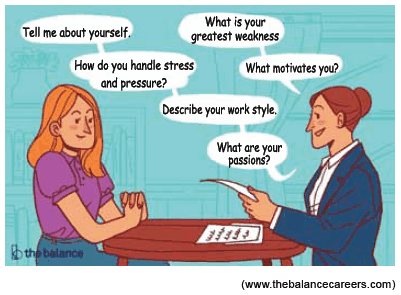
Na entrevista de emprego retratada na charge, a candidata está sendo indagada sobre
Provas
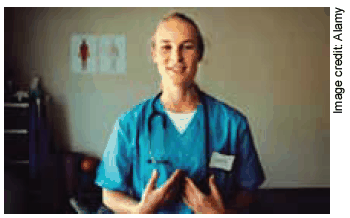
The most popular surname in Germany is Müller, while in Ukraine, it’s Melnik; both are words for a miller. And in Australia or Canada, it’s Smith – as in silversmith and gunsmith1. These names date back as far as the Middle Ages, when a person’s job was such a defining characteristic, it became their literal identity.
Today, our jobs don’t dictate our names – but they still often become a major part of our identities. After all, one of the first questions we tend to exchange with a person we have just met is, “What do you do?”. It can be a clue into their values, interests or background (or simply help two strangers pass time at a cocktail party!).
Historically, most people didn’t get to choose their jobs, says Anne Wilson, a professor of psychology at Wilfrid Laurier University in Ontario. “It was usually generational – your father was a carpenter, so you were a carpenter,” she says. “Or, you’d just take a job based on the opportunities available.” But increased access to education over the past century has led to the emergence of more varied jobs, and thus higher income. So, jobs have become a significant marker of identity in a more nuanced way. When someone says they’re a surgeon, you generally assume they have strong education and high income – two metrics that can determine one’s standing in society, and affect how you subsequently judge the person or how the person sees themselves.
(Kate Morgan. www.bbc.com, 13.04.2021. Adaptado.)
1 miller, silversmith and gunsmith: manual work jobs, very frequent in the past.
According to the third paragraph, in the past
Provas
The most popular surname in Germany is Müller, while in Ukraine, it’s Melnik; both are words for a miller. And in Australia or Canada, it’s Smith – as in silversmith and gunsmith1. These names date back as far as the Middle Ages, when a person’s job was such a defining characteristic, it became their literal identity.
Today, our jobs don’t dictate our names – but they still often become a major part of our identities. After all, one of the first questions we tend to exchange with a person we have just met is, “What do you do?”. It can be a clue into their values, interests or background (or simply help two strangers pass time at a cocktail party!).
Historically, most people didn’t get to choose their jobs, says Anne Wilson, a professor of psychology at Wilfrid Laurier University in Ontario. “It was usually generational – your father was a carpenter, so you were a carpenter,” she says. “Or, you’d just take a job based on the opportunities available.” But increased access to education over the past century has led to the emergence of more varied jobs, and thus higher income. So, jobs have become a significant marker of identity in a more nuanced way. When someone says they’re a surgeon, you generally assume they have strong education and high income – two metrics that can determine one’s standing in society, and affect how you subsequently judge the person or how the person sees themselves.
(Kate Morgan. www.bbc.com, 13.04.2021. Adaptado.)
1 miller, silversmith and gunsmith: manual work jobs, very frequent in the past.
No contexto do segundo parágrafo do texto, a pergunta “What do you do?” equivale, em português, a:
Provas
The most popular surname in Germany is Müller, while in Ukraine, it’s Melnik; both are words for a miller. And in Australia or Canada, it’s Smith – as in silversmith and gunsmith1. These names date back as far as the Middle Ages, when a person’s job was such a defining characteristic, it became their literal identity.
Today, our jobs don’t dictate our names – but they still often become a major part of our identities. After all, one of the first questions we tend to exchange with a person we have just met is, “What do you do?”. It can be a clue into their values, interests or background (or simply help two strangers pass time at a cocktail party!).
Historically, most people didn’t get to choose their jobs, says Anne Wilson, a professor of psychology at Wilfrid Laurier University in Ontario. “It was usually generational – your father was a carpenter, so you were a carpenter,” she says. “Or, you’d just take a job based on the opportunities available.” But increased access to education over the past century has led to the emergence of more varied jobs, and thus higher income. So, jobs have become a significant marker of identity in a more nuanced way. When someone says they’re a surgeon, you generally assume they have strong education and high income – two metrics that can determine one’s standing in society, and affect how you subsequently judge the person or how the person sees themselves.
(Kate Morgan. www.bbc.com, 13.04.2021. Adaptado.)
1 miller, silversmith and gunsmith: manual work jobs, very frequent in the past.
In the fragment from the first paragraph “both are words for a miller”, the underlined expression refers to
Provas
The most popular surname in Germany is Müller, while in Ukraine, it’s Melnik; both are words for a miller. And in Australia or Canada, it’s Smith – as in silversmith and gunsmith1. These names date back as far as the Middle Ages, when a person’s job was such a defining characteristic, it became their literal identity.
Today, our jobs don’t dictate our names – but they still often become a major part of our identities. After all, one of the first questions we tend to exchange with a person we have just met is, “What do you do?”. It can be a clue into their values, interests or background (or simply help two strangers pass time at a cocktail party!).
Historically, most people didn’t get to choose their jobs, says Anne Wilson, a professor of psychology at Wilfrid Laurier University in Ontario. “It was usually generational – your father was a carpenter, so you were a carpenter,” she says. “Or, you’d just take a job based on the opportunities available.” But increased access to education over the past century has led to the emergence of more varied jobs, and thus higher income. So, jobs have become a significant marker of identity in a more nuanced way. When someone says they’re a surgeon, you generally assume they have strong education and high income – two metrics that can determine one’s standing in society, and affect how you subsequently judge the person or how the person sees themselves.
(Kate Morgan. www.bbc.com, 13.04.2021. Adaptado.)
1 miller, silversmith and gunsmith: manual work jobs, very frequent in the past.
O texto versa principalmente sobre
Provas
Caderno Container