Foram encontradas 100 questões.
Numa operação de pullin de um riser junto a uma Unidade Estacionária de Produção, o momento crítico é o da transferência do riser para a Unidade Estacionária de Produção (UEP). Nesse momento, os dois equipamentos que NÃO podem falhar são:
Provas

Na operação de instalação de um manifold submarino para interligação de poços de petróleo, as seguintes considerações são relevantes, EXCETO:
Provas
Uma TRT (Tree Running Tool) é essencial para a instalação de:
Provas
Na escolha de uma Unidade de Perfuração para completação de poços produtores em águas profundas, a seguinte opção NÃO é relevante:
Provas
A melhor ordem de prioridade das características de um PLSV para o atendimento de um projeto de lançamento de linhas em uma instalação submarina é:
Provas
Um PLSV (Pipe Laying Support Vessel) é aplicável às seguintes atividades, EXCETO:
Provas
Considerando as válvulas:
DHSV – Down Hole Safety Valve;
M1 – Master de Produção;
M2 – Master do Anular;
W1 – Wing de Produção;
W2 – Wing do Anular;
XO – Crossover.
O objetivo do uso de um Choke Module em um novo poço produtor petróleo é:
Provas
Considerando as válvulas:
DHSV – Down Hole Safety Valve;
M1 – Master de Produção;
M2 – Master do Anular;
W1 – Wing de Produção;
W2 – Wing do Anular;
XO – Crossover.
Um MCV (Módulo de Conexão Vertical) tem as seguintes finalidades, EXCETO:
Provas
Considerando as válvulas:
DHSV – Down Hole Safety Valve;
M1 – Master de Produção;
M2 – Master do Anular;
W1 – Wing de Produção;
W2 – Wing do Anular;
XO – Crossover.
Durante a produção de um poço em gás lift, a(s) seguinte(s) válvula(s) deve(m) permanecer normalmente fechada(s):
Provas
TEXT III
How energy companies can adjust their business models to a period of recovery
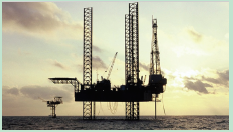
The character of Chuck Noland, played by Tom Hanks, says near the end of the film Cast Away, “...because tomorrow the sun will rise. Who knows what the tide could bring?” He makes this observation after having survived on a desert island for four years before being rescued and returned to civilization. If you’re a top executive in an oil and gas company, more than likely you’re feeling the same way right about now — optimistic but extremely cautious.
Much of the oil and gas industry has survived an especially tough few years with weak demand and low prices. It has been difficult to make strategic decisions and plan for the future. Only now is the sector beginning to emerge from its upheaval. If there is hope on the horizon, we must, like Noland in Cast Away, remain mindful of the risk. […]
So if you are an oil and gas executive peering out over 2017 and beyond, you will face structural and cultural issues internally; many companies do not have the talent, organizational framework, systems, processes, or attitudes to be sufficiently flexible and innovative in an evolving and uncertain marketplace. You should be prepared to pursue new drilling and extraction technologies and to increase your research into sustainability and clean energy. To start planning for the future, oil and gas leaders in all segments might consider some fundamental questions: Do I have the right business models in place? How can my company develop new capabilities and in what areas? How should asset portfolios evolve? What type of technology plays should I invest in?
As companies address these challenges, we see a number of business models and strategic responses emerging between now and 2020.
(From https://www.strategyand.pwc.com/trend/2017-oil-and-gas-trends. Accessed July 19th, 2017)
The word “likely” in “more than likely you’re feeling” indicates:
Provas
Caderno Container