Foram encontradas 46.768 questões.
Disciplina: Inglês (Língua Inglesa)
Banca: UEPB
Orgão: Pref. Nova Floresta-PB

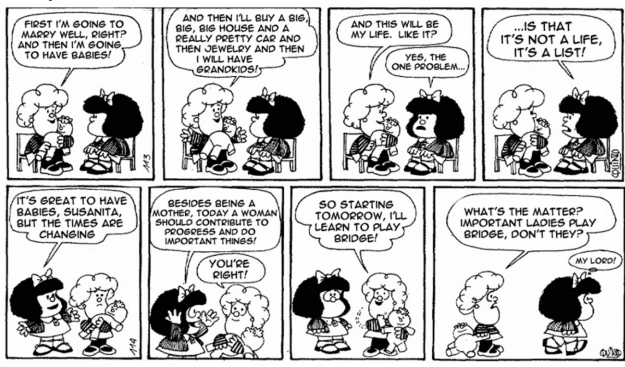
In the political cartoon provided, the humor and social critique are primarily derived from the rhetorical use of irony. Which of the following statements best explains the underlying message of the dialogue between the two characters?
Provas

Disciplina: Inglês (Língua Inglesa)
Banca: UEPB
Orgão: Pref. Nova Floresta-PB
Text forquestions 35, 36, 37 and 38
Hero boy swims for fourhours to save his family (9th February 2026)
A 13-year-old Australian boy has been hailed a hero after an epic swim that saved his family. The boy, Austin Appelbee, and his family were on a beach holiday in Western Australia. They were kayaking and paddleboarding in shallow water when strong winds pushed them farther offshore. They ended up over four kilometres away from land, and the daylight was fading. Austin decided to kayak to shore to get help. However, the waves had damaged his kayak, which had taken in water and flipped over. He said he then lost an oar and knew he was in trouble. He decided he had no alternative but to swim back to land. He swam through shark-frequented waters to raise the alarm.
Austin made it to the beach and phoned for help. This sparked a huge rescue operation, which resulted in coastguards finding the teenager's mother and two younger sisters. The boy said: “I hit the bottom of the beach and I just collapsed, and then, after that, I had to sprint two kilometres to get to the phone.” Rescuers called his efforts “superhuman”. One rescuer said Austin's actions could not “be praised highly enough”. He added that the teenager's “determination and courage ultimately saved the lives of his mother and siblings”. Austin's mother Joanne, 47, told reporters: “The wind picked up. We lost oars, and we drifted out further. It was an absolute nightmare.”
https://www.nzherald.co.nz/world/teen-13-makes-harrowing-swim-through-shark-frequented-wa-waters-to-save-family-swept-out-tosea/YS5HBJ2Y2BFP3G44WGQ7Z67BPM/
https://www.nbcnews.com/world/australia/australia-perth-family-stranded-sea-teenager-swims-rcna257203
https://www.bbc.com/news/articles/cly3ezj3rg3o
Analyze the morphological structure of the following words extracted from the text: “determinationv”, “superhuman”, and “fading”. Which alternative CORRECTLY identifies the word formation processes and the grammatical category changes involved?
Provas
Disciplina: Inglês (Língua Inglesa)
Banca: UEPB
Orgão: Pref. Nova Floresta-PB
Google.com
Acesso: February 18 , 2026
Consider the first panel of the comic strip where Susanita says: “First I'm going to marry well, right? And then I'm going to have babies!”. If we were to report Susanita's statement to a third party, which alternative CORRECTLY transforms her speech into Reported Speech?
Provas
Disciplina: Inglês (Língua Inglesa)
Banca: UEPB
Orgão: Pref. Nova Floresta-PB
Google.com
Acesso: February 18 , 2026
In the comic strip featuring Mafalda and Susanita, the humor and the underlying social commentary arise from the divergent worldviews of the two characters. Based on the dialogue, which of the following statements CORRECTLYinterprets the conclusion of their conversation?
Provas
Disciplina: Inglês (Língua Inglesa)
Banca: UEPB
Orgão: Pref. Nova Floresta-PB
Text forquestions 35, 36, 37 and 38
Hero boy swims for fourhours to save his family (9th February 2026)
A 13-year-old Australian boy has been hailed a hero after an epic swim that saved his family. The boy, Austin Appelbee, and his family were on a beach holiday in Western Australia. They were kayaking and paddleboarding in shallow water when strong winds pushed them farther offshore. They ended up over four kilometres away from land, and the daylight was fading. Austin decided to kayak to shore to get help. However, the waves had damaged his kayak, which had taken in water and flipped over. He said he then lost an oar and knew he was in trouble. He decided he had no alternative but to swim back to land. He swam through shark-frequented waters to raise the alarm.
Austin made it to the beach and phoned for help. This sparked a huge rescue operation, which resulted in coastguards finding the teenager's mother and two younger sisters. The boy said: “I hit the bottom of the beach and I just collapsed, and then, after that, I had to sprint two kilometres to get to the phone.” Rescuers called his efforts “superhuman”. One rescuer said Austin's actions could not “be praised highly enough”. He added that the teenager's “determination and courage ultimately saved the lives of his mother and siblings”. Austin's mother Joanne, 47, told reporters: “The wind picked up. We lost oars, and we drifted out further. It was an absolute nightmare.”
https://www.nzherald.co.nz/world/teen-13-makes-harrowing-swim-through-shark-frequented-wa-waters-to-save-family-swept-out-tosea/YS5HBJ2Y2BFP3G44WGQ7Z67BPM/
https://www.nbcnews.com/world/australia/australia-perth-family-stranded-sea-teenager-swims-rcna257203
https://www.bbc.com/news/articles/cly3ezj3rg3o
Analyze the spatial and temporal indicators used in the text about Austin Appelbee's rescue. Which alternative CORRECTLY interprets how these markers establish the context of the events described?
Provas
Disciplina: Inglês (Língua Inglesa)
Banca: UEPB
Orgão: Pref. Nova Floresta-PB
Text forquestions 35, 36, 37 and 38
Hero boy swims for fourhours to save his family (9th February 2026)
A 13-year-old Australian boy has been hailed a hero after an epic swim that saved his family. The boy, Austin Appelbee, and his family were on a beach holiday in Western Australia. They were kayaking and paddleboarding in shallow water when strong winds pushed them farther offshore. They ended up over four kilometres away from land, and the daylight was fading. Austin decided to kayak to shore to get help. However, the waves had damaged his kayak, which had taken in water and flipped over. He said he then lost an oar and knew he was in trouble. He decided he had no alternative but to swim back to land. He swam through shark-frequented waters to raise the alarm.
Austin made it to the beach and phoned for help. This sparked a huge rescue operation, which resulted in coastguards finding the teenager's mother and two younger sisters. The boy said: “I hit the bottom of the beach and I just collapsed, and then, after that, I had to sprint two kilometres to get to the phone.” Rescuers called his efforts “superhuman”. One rescuer said Austin's actions could not “be praised highly enough”. He added that the teenager's “determination and courage ultimately saved the lives of his mother and siblings”. Austin's mother Joanne, 47, told reporters: “The wind picked up. We lost oars, and we drifted out further. It was an absolute nightmare.”
https://www.nzherald.co.nz/world/teen-13-makes-harrowing-swim-through-shark-frequented-wa-waters-to-save-family-swept-out-tosea/YS5HBJ2Y2BFP3G44WGQ7Z67BPM/
https://www.nbcnews.com/world/australia/australia-perth-family-stranded-sea-teenager-swims-rcna257203
https://www.bbc.com/news/articles/cly3ezj3rg3o
In the text about Austin Appelbee's rescue, several verbs and adjectives are used to describe the gravity and the outcome of the situation. Based on their specific usage in the passage, identify the alternative that CORRECTLY provides synonyms for the words "hailed", "sparked", and "siblings" without altering the original meaning.
Provas
Disciplina: Inglês (Língua Inglesa)
Banca: UEPB
Orgão: Pref. Nova Floresta-PB
Text forquestions 35, 36, 37 and 38
Hero boy swims for fourhours to save his family (9th February 2026)
A 13-year-old Australian boy has been hailed a hero after an epic swim that saved his family. The boy, Austin Appelbee, and his family were on a beach holiday in Western Australia. They were kayaking and paddleboarding in shallow water when strong winds pushed them farther offshore. They ended up over four kilometres away from land, and the daylight was fading. Austin decided to kayak to shore to get help. However, the waves had damaged his kayak, which had taken in water and flipped over. He said he then lost an oar and knew he was in trouble. He decided he had no alternative but to swim back to land. He swam through shark-frequented waters to raise the alarm.
Austin made it to the beach and phoned for help. This sparked a huge rescue operation, which resulted in coastguards finding the teenager's mother and two younger sisters. The boy said: “I hit the bottom of the beach and I just collapsed, and then, after that, I had to sprint two kilometres to get to the phone.” Rescuers called his efforts “superhuman”. One rescuer said Austin's actions could not “be praised highly enough”. He added that the teenager's “determination and courage ultimately saved the lives of his mother and siblings”. Austin's mother Joanne, 47, told reporters: “The wind picked up. We lost oars, and we drifted out further. It was an absolute nightmare.”
https://www.nzherald.co.nz/world/teen-13-makes-harrowing-swim-through-shark-frequented-wa-waters-to-save-family-swept-out-tosea/YS5HBJ2Y2BFP3G44WGQ7Z67BPM/
https://www.nbcnews.com/world/australia/australia-perth-family-stranded-sea-teenager-swims-rcna257203
https://www.bbc.com/news/articles/cly3ezj3rg3o
In the text describing the rescue in Western Australia, the cohesion is maintained through various linguistic markers. Analyze the underlined/bolded terms in the following excerpts and identify the alternative that CORRECTLYidentifies their respective referents.
“This sparked a huge rescue operation, which resulted in coastguards finding the teenager’s mother and two younger sisters. The boy said: ‘I hit the bottom of the beach and I just collapsed, and then, after that, I had to sprint two kilometres to get to the phone.’ Rescuers called his efforts ‘superhuman’.”
Provas
Disciplina: Inglês (Língua Inglesa)
Banca: UEPB
Orgão: Pref. Nova Floresta-PB
Select the alternative that presents the CORRECTverbal structure according to formal English grammar, specifically regarding the use of the subjunctive mood in a professional context.
Provas
Disciplina: Inglês (Língua Inglesa)
Banca: UEPB
Orgão: Pref. Nova Floresta-PB
Identify the sentence that CORRECTLY employs the structures of gradual comparison or parallel increase to describe a proportional relationship between two evolving situations.
Provas
Disciplina: Inglês (Língua Inglesa)
Banca: UEPB
Orgão: Pref. Nova Floresta-PB
Identify the alternative where the underlined/bolded linking word can replace the underlined word in the sentence below without altering the original logical relationship or requiring structural changes to the sentence.
"The candidate possessed all the necessary technical qualifications for the executive position; nevertheless, he was not selected by the board of directors due to a perceived lack of cultural fit."
Provas
Caderno Container