Foram encontradas 46.768 questões.
Disciplina: Inglês (Língua Inglesa)
Banca: FEPESE
Orgão: Pref. Pinhalzinho-SC
Text 1
Smatphones are banned in Brazilian Schools
Brazil’s president has signed a law to limit smartphone use in schools, starting in February. This rule will apply to elementary and high schools across the country. Phones will only be allowed in emergencies, for educational activities, or for students with disabilities. The goal is to help students focus better and reduce distractions caused by phones.
Officials explained that children are using the internet at younger ages, which makes it harder for parents to monitor them. Limiting smartphones at school can help students concentrate on studying. A recent survey found that nearly two-thirds of Brazilians support banning smartphones in schools, and over threequarters believe these devices are harmful for kids.
Some families and students agree with the move, saying it will encourage more interaction and help classmates focus better. However, others believe it won’t solve all school issues, like bullying and harassment.
As of 2023, about two-thirds of Brazilian schools already limit smartphone use, while 28% ban them completely. Some states, such as Rio de Janeiro and Goias, have passed local laws restricting phones in schools, but enforcement has been challenging. In Sao Paulo, discussions are ongoing about banning phones in both public and private schools.
Globally, concerns ______________ smartphone use ______________ children have led to similar measures. Countries ______________ China, France, and parts of the U.S. have introduced restrictions to reduce distractions and protect children’s mental health. A report ______________ UNESCO found that one in four countries has already limited smartphone use in schools.
( ) George realized he had forgotten his wallet so he walked quickly back to the house.
( ) Kim, Mike and the other guys read every morning.
( ) Margaret and Maizon have been friends for a very long time.
( ) The friendship may end, or it may stay the same.
Choose the alternative which presents the correct sequence, from top to bottom.
Provas

Disciplina: Inglês (Língua Inglesa)
Banca: FEPESE
Orgão: Pref. Pinhalzinho-SC
Text 1
Smatphones are banned in Brazilian Schools
Brazil’s president has signed a law to limit smartphone use in schools, starting in February. This rule will apply to elementary and high schools across the country. Phones will only be allowed in emergencies, for educational activities, or for students with disabilities. The goal is to help students focus better and reduce distractions caused by phones.
Officials explained that children are using the internet at younger ages, which makes it harder for parents to monitor them. Limiting smartphones at school can help students concentrate on studying. A recent survey found that nearly two-thirds of Brazilians support banning smartphones in schools, and over threequarters believe these devices are harmful for kids.
Some families and students agree with the move, saying it will encourage more interaction and help classmates focus better. However, others believe it won’t solve all school issues, like bullying and harassment.
As of 2023, about two-thirds of Brazilian schools already limit smartphone use, while 28% ban them completely. Some states, such as Rio de Janeiro and Goias, have passed local laws restricting phones in schools, but enforcement has been challenging. In Sao Paulo, discussions are ongoing about banning phones in both public and private schools.
Globally, concerns ______________ smartphone use ______________ children have led to similar measures. Countries ______________ China, France, and parts of the U.S. have introduced restrictions to reduce distractions and protect children’s mental health. A report ______________ UNESCO found that one in four countries has already limited smartphone use in schools.
“However, others believe it won’t solve all school issues, like bullying and harassment.”
Decide if they are ( T) true or ( F ) false, according to structure and grammar:
( ) like is an adjective which means: in the same way that; as.
( ) However a conjunctive adverb, used to introduce a contrasting idea to the previous statement.
( ) won’t is a contraction for will not.
( ) harassment is a noun that refers to a state of being troubled by such actions.
Choose the alternative which presents the correct sequence, from top to bottom.
Provas
Disciplina: Inglês (Língua Inglesa)
Banca: FEPESE
Orgão: Pref. Pinhalzinho-SC
Text 1
Smatphones are banned in Brazilian Schools
Brazil’s president has signed a law to limit smartphone use in schools, starting in February. This rule will apply to elementary and high schools across the country. Phones will only be allowed in emergencies, for educational activities, or for students with disabilities. The goal is to help students focus better and reduce distractions caused by phones.
Officials explained that children are using the internet at younger ages, which makes it harder for parents to monitor them. Limiting smartphones at school can help students concentrate on studying. A recent survey found that nearly two-thirds of Brazilians support banning smartphones in schools, and over threequarters believe these devices are harmful for kids.
Some families and students agree with the move, saying it will encourage more interaction and help classmates focus better. However, others believe it won’t solve all school issues, like bullying and harassment.
As of 2023, about two-thirds of Brazilian schools already limit smartphone use, while 28% ban them completely. Some states, such as Rio de Janeiro and Goias, have passed local laws restricting phones in schools, but enforcement has been challenging. In Sao Paulo, discussions are ongoing about banning phones in both public and private schools.
Globally, concerns ______________ smartphone use ______________ children have led to similar measures. Countries ______________ China, France, and parts of the U.S. have introduced restrictions to reduce distractions and protect children’s mental health. A report ______________ UNESCO found that one in four countries has already limited smartphone use in schools.
In the last paragraph of Text 1, some prepositions are missing.
Choose the alternative which presents the correct prepositions that are missing.
Provas
Disciplina: Inglês (Língua Inglesa)
Banca: FEPESE
Orgão: Pref. Pinhalzinho-SC
Text 1
Smatphones are banned in Brazilian Schools
Brazil’s president has signed a law to limit smartphone use in schools, starting in February. This rule will apply to elementary and high schools across the country. Phones will only be allowed in emergencies, for educational activities, or for students with disabilities. The goal is to help students focus better and reduce distractions caused by phones.
Officials explained that children are using the internet at younger ages, which makes it harder for parents to monitor them. Limiting smartphones at school can help students concentrate on studying. A recent survey found that nearly two-thirds of Brazilians support banning smartphones in schools, and over threequarters believe these devices are harmful for kids.
Some families and students agree with the move, saying it will encourage more interaction and help classmates focus better. However, others believe it won’t solve all school issues, like bullying and harassment.
As of 2023, about two-thirds of Brazilian schools already limit smartphone use, while 28% ban them completely. Some states, such as Rio de Janeiro and Goias, have passed local laws restricting phones in schools, but enforcement has been challenging. In Sao Paulo, discussions are ongoing about banning phones in both public and private schools.
Globally, concerns ______________ smartphone use ______________ children have led to similar measures. Countries ______________ China, France, and parts of the U.S. have introduced restrictions to reduce distractions and protect children’s mental health. A report ______________ UNESCO found that one in four countries has already limited smartphone use in schools.
1. New smartphone’s rules were created to help students focus better.
2. Over three-quarters of Brazilians think phones are harmful for kids.
3. Officials think smartphones are a problem for children because they are expensive for families.
4. If the law passes in São Paulo both public and private schools will ban phones.
Choose the alternative which contains the correct affirmatives.
Provas
Disciplina: Inglês (Língua Inglesa)
Banca: FEPESE
Orgão: Pref. Pinhalzinho-SC
Text 1
Smatphones are banned in Brazilian Schools
Brazil’s president has signed a law to limit smartphone use in schools, starting in February. This rule will apply to elementary and high schools across the country. Phones will only be allowed in emergencies, for educational activities, or for students with disabilities. The goal is to help students focus better and reduce distractions caused by phones.
Officials explained that children are using the internet at younger ages, which makes it harder for parents to monitor them. Limiting smartphones at school can help students concentrate on studying. A recent survey found that nearly two-thirds of Brazilians support banning smartphones in schools, and over threequarters believe these devices are harmful for kids.
Some families and students agree with the move, saying it will encourage more interaction and help classmates focus better. However, others believe it won’t solve all school issues, like bullying and harassment.
As of 2023, about two-thirds of Brazilian schools already limit smartphone use, while 28% ban them completely. Some states, such as Rio de Janeiro and Goias, have passed local laws restricting phones in schools, but enforcement has been challenging. In Sao Paulo, discussions are ongoing about banning phones in both public and private schools.
Globally, concerns ______________ smartphone use ______________ children have led to similar measures. Countries ______________ China, France, and parts of the U.S. have introduced restrictions to reduce distractions and protect children’s mental health. A report ______________ UNESCO found that one in four countries has already limited smartphone use in schools.
Provas
Disciplina: Inglês (Língua Inglesa)
Banca: FEPESE
Orgão: Pref. Pinhalzinho-SC
Text 1
Smatphones are banned in Brazilian Schools
Brazil’s president has signed a law to limit smartphone use in schools, starting in February. This rule will apply to elementary and high schools across the country. Phones will only be allowed in emergencies, for educational activities, or for students with disabilities. The goal is to help students focus better and reduce distractions caused by phones.
Officials explained that children are using the internet at younger ages, which makes it harder for parents to monitor them. Limiting smartphones at school can help students concentrate on studying. A recent survey found that nearly two-thirds of Brazilians support banning smartphones in schools, and over threequarters believe these devices are harmful for kids.
Some families and students agree with the move, saying it will encourage more interaction and help classmates focus better. However, others believe it won’t solve all school issues, like bullying and harassment.
As of 2023, about two-thirds of Brazilian schools already limit smartphone use, while 28% ban them completely. Some states, such as Rio de Janeiro and Goias, have passed local laws restricting phones in schools, but enforcement has been challenging. In Sao Paulo, discussions are ongoing about banning phones in both public and private schools.
Globally, concerns ______________ smartphone use ______________ children have led to similar measures. Countries ______________ China, France, and parts of the U.S. have introduced restrictions to reduce distractions and protect children’s mental health. A report ______________ UNESCO found that one in four countries has already limited smartphone use in schools.
( ) Brazil created the new smartphone rule to encourage parents to by smartphones.
( ) Two-thirds of Brazilians support banning smartphones in schools.
( ) Schools around the world have no rules about phones.
( ) Some students agree that limiting phones will help them focus.
Choose the alternative which presents the correct sequence, from top to bottom.
Provas
Disciplina: Inglês (Língua Inglesa)
Banca: Consulplan
Orgão: Pref. João Ramalho-SP
Read the sentence in the image:
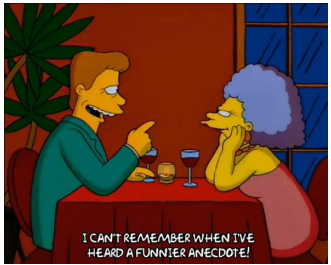
(Available on: https://giphy.com/gifs/. Accessed in: July 2025.)
Based on the sentence, the word “funnier” is:
Provas
Disciplina: Inglês (Língua Inglesa)
Banca: Consulplan
Orgão: Pref. João Ramalho-SP
The door is open to go through If I could I would come too But the path is made by you As you're walking start singing and stop talking Oh, if I could hear myself when I say Oh, love is bigger than anything in its way
(Available on: https://www.letras.mus.br/u2/love-is-bigger-than-anything-in-its-way/#autoplay. Accessed in: July 2025.)
The word “its” is used in this line because:
Provas
Disciplina: Inglês (Língua Inglesa)
Banca: Consulplan
Orgão: Pref. João Ramalho-SP
Read the excerpt from the song “Matilda” by Harry Styles:
You can let it go
You can throw a party full of everyone you know
And not invite your family, 'cause they never showed you love
You don't have to be sorry for leaving and growing up.
(Available on: https://www.letras.mus.br/harry-styles/matilda/. Accessed in: July 2025.)
Based on the excerpt, the speaker expresses that:
Provas
Disciplina: Inglês (Língua Inglesa)
Banca: Consulplan
Orgão: Pref. João Ramalho-SP
Read the email below:

(Available on: https://s3.eu-central-1.amazonaws.com/studysmarter-mediafiles/. Accessed in: July 2025.)
Considering the overall use of verb tenses in the email, it is correct to state that:
Provas
Caderno Container